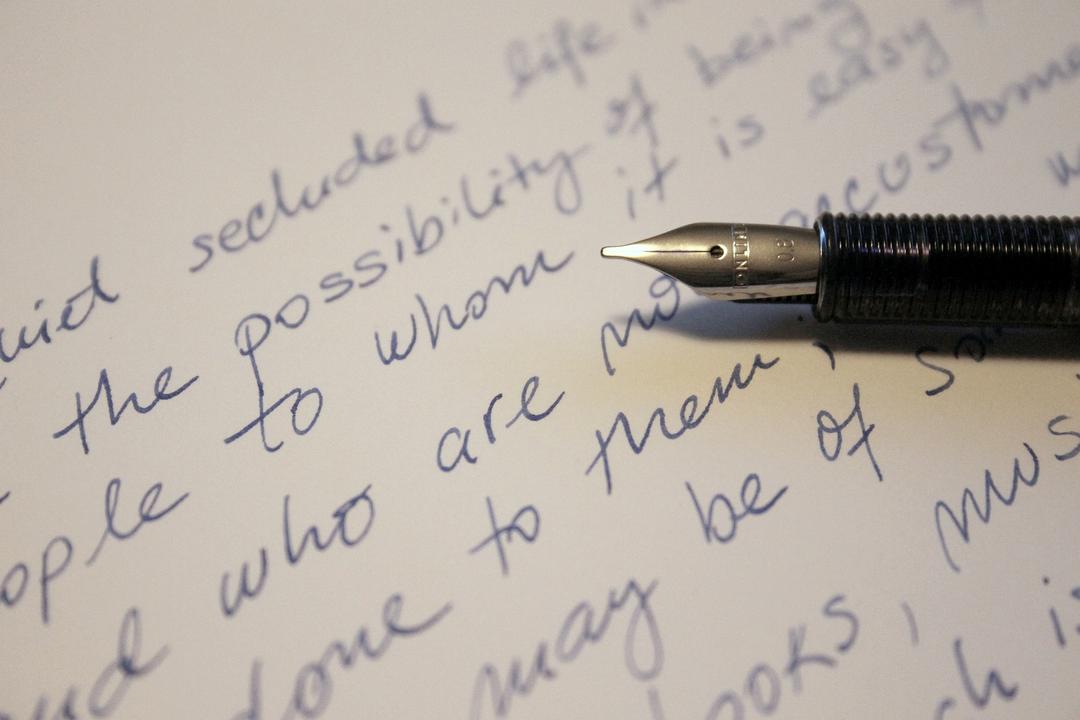
Unlocking the Power of Storytelling: How AI Script Readers Elevate Your Narrative
Table of Contents
- The Art of Storytelling in the Digital Age
- What Are AI Script Readers and How Do They Work?
- Benefits of Using AI Script Readers for Your Narrative
- Key Features of AI Script Readers for Enhanced Storytelling
- Choosing the Right AI Script Reader for Your Needs
- Real-World Examples of AI Script Readers in Action
The Art of Storytelling in the Digital Age
Storytelling has been a fundamental part of human communication for millennia. We use stories to connect with each other, to learn and grow, and to make sense of the world around us. In the digital age, the art of storytelling has taken on new dimensions, becoming more powerful and engaging than ever before.
With the rise of social media, video platforms, and digital marketing, we are bombarded with information every day. To cut through the noise and capture the attention of your audience, you need to be able to tell compelling stories that resonate with them on an emotional level.
Here are a few key principles of storytelling in the digital age:
Know Your Audience: The first step to effective storytelling is understanding your audience. Who are they? What are their interests? What kind of content do they engage with? Once you have a good grasp of your audience, you can tailor your stories to their specific needs and interests.
Focus on Emotion: Stories that evoke emotion are more memorable and impactful. Think about the feelings you want to evoke in your audience – joy, sadness, anger, hope, etc. Use your words, visuals, and music to create an immersive experience that connects with your audience on a deeper level.
Keep it Concise: In the fast-paced digital world, people have short attention spans. Keep your stories concise and to the point. Focus on the most important elements of your narrative and avoid unnecessary details. This article offers more tips on how to write short stories and keep your audience engaged.
Use Visuals: Visuals are essential for capturing attention and engaging your audience. Use images, videos, infographics, and other visual elements to bring your stories to life.
Embrace Interactivity: The digital age offers new opportunities for interactivity. Use polls, quizzes, and other interactive elements to keep your audience engaged and encourage them to participate in your story.
Storytelling is a powerful tool that can help you connect with your audience, build relationships, and achieve your marketing goals. By embracing the principles of storytelling in the digital age, you can create compelling narratives that resonate with your audience and leave a lasting impression.
What Are AI Script Readers and How Do They Work?
AI script readers, also known as screenplay analysis tools, are powerful software applications that leverage artificial intelligence to analyze and evaluate your screenplays. These tools use advanced algorithms to identify strengths, weaknesses, and areas for improvement in your narrative.
Think of an AI script reader as a sophisticated, digital editor who can provide valuable insights into your script's structure, pacing, character development, and overall impact.
Here's how they work:
- Script Upload: You upload your script in a standard format (like PDF or Fountain).
- AI Analysis: The AI analyzes your script, dissecting its elements like scene descriptions, dialogue, character actions, and plot points.
- Data-Driven Insights: Based on its analysis, the AI generates detailed reports highlighting strengths, weaknesses, and potential issues in your script.
Key Features of AI Script Readers:
- Scene Analysis: Evaluates scene length, pacing, and how well they contribute to the overall narrative.
- Character Development: Examines character arc, motivations, and whether they are relatable and engaging.
- Dialogue Analysis: Evaluates dialogue for naturalness, clarity, and impact.
- Plot Structure: Identifies plot holes, inconsistencies, and how effectively the story unfolds.
- Readability and Tone: Assesses the script's readability, tone, and suitability for the target audience.
- Genre Analysis: Identifies genre conventions and how well your script adheres to them.
Benefits of Using AI Script Readers:
- Objective Feedback: AI script readers offer unbiased feedback, removing personal biases that might cloud human judgment.
- Time-Saving: Automate the analysis process, saving you time and effort compared to traditional script reviews.
- Identify Blind Spots: AI can detect subtle issues you might miss, offering valuable insights to refine your work.
- Early Feedback: Get feedback early in the writing process, allowing you to address issues before they become major problems.
Popular AI Script Readers:
- Final Draft: A comprehensive screenwriting software with built-in AI analysis tools.
- WriterDuet: Offers powerful AI-powered script analysis and collaboration features.
- Fade In: A popular screenwriting software with AI-powered features for script analysis.
- Celtx: A free and user-friendly screenwriting software with AI-powered script analysis.
- Frank: A dedicated AI script reader offering in-depth analysis and personalized feedback.
While AI script readers offer invaluable assistance, it's important to remember that they are not a replacement for human feedback. Use them as a powerful tool to supplement your creative process and enhance your screenwriting craft.
Benefits of Using AI Script Readers for Your Narrative
Incorporating AI script readers into your writing process can significantly enhance your narrative in various ways. Here's how:
Objective Feedback: AI script readers offer a fresh, unbiased perspective on your work. They lack the emotional biases that humans may have, providing you with objective feedback on the pacing, flow, character development, and overall impact of your story. This helps you identify areas that need improvement and make informed decisions about your narrative structure. https://www.grammarly.com/blog/ai-writing-tools/
Enhanced Character Development: AI tools can analyze your dialogue and character interactions, identifying inconsistencies or weaknesses in your character portrayal. They can also suggest ways to make your characters more believable, engaging, and relatable to the audience. This helps you create more nuanced and compelling characters that resonate with readers. https://www.inkforall.com/blog/ai-for-writers-character-development/
Improved Pacing and Flow: AI script readers can analyze the rhythm and pacing of your narrative, highlighting any areas that feel rushed, slow, or disjointed. They can suggest edits to ensure that your story flows smoothly and engages the reader from beginning to end. This helps you create a compelling and immersive reading experience for your audience. https://www.writersdigest.com/writing-articles/fiction/pacing-in-fiction/
Streamlined Editing Process: AI tools can automate several aspects of the editing process, such as grammar and spelling checks, plagiarism detection, and style consistency. This frees up your time and energy to focus on the creative aspects of writing, allowing you to refine your narrative and ensure a polished final product. https://www.prowritingaid.com/
Increased Productivity: By automating some of the repetitive tasks associated with writing, AI script readers can help you become more productive. They can suggest alternative phrasing, streamline your writing process, and provide you with insights that help you make faster and more informed decisions. https://www.reedsy.com/discovery/blog/how-to-use-ai-for-writing
By leveraging the power of AI script readers, you can unlock new levels of creativity and elevate your narrative to new heights. They provide valuable insights, streamline your writing process, and ultimately help you create a more engaging and impactful story.
Key Features of AI Script Readers for Enhanced Storytelling
AI script readers are revolutionizing the way we craft compelling narratives. These tools go beyond simply reading your script aloud; they offer a suite of features designed to elevate your storytelling to new heights. Here are some key features that make AI script readers invaluable for writers, filmmakers, and storytellers:
- Voice Variety and Emotion: AI script readers offer a wide range of voices, accents, and emotional tones. This allows you to explore different interpretations of your characters and dialogue, ensuring your script resonates with the intended audience. Here you can find several AI script readers with a wide range of voice options.
- Character Development: Beyond simply reading dialogue, AI script readers can analyze character arcs and highlight inconsistencies in tone or behavior. This helps you refine your characters and make them more believable. Learn more about how AI tools can analyze character depth.
- Timing and Pacing: AI script readers can analyze the pacing of your script, highlighting areas that might feel rushed or dragged out. This is crucial for ensuring your story flows naturally and keeps the audience engaged. Check out these tools for pacing analysis in scripts.
- Sound Design and Music: Some advanced AI script readers even integrate sound design and music, allowing you to visualize the overall mood and atmosphere of your story. This helps you fine-tune the sensory experience for your audience. Explore tools that offer sound design capabilities.
- Collaboration and Feedback: AI script readers can facilitate collaboration by providing a platform for sharing scripts and receiving feedback from peers or mentors. This helps writers gain valuable insights and refine their work before it reaches a wider audience. Discover tools that encourage feedback and collaboration.
By embracing these features, AI script readers can become invaluable partners in your storytelling journey. They empower you to craft more engaging, nuanced, and impactful narratives that leave a lasting impression on your audience.
Choosing the Right AI Script Reader for Your Needs
Navigating the AI script reader landscape can feel overwhelming, but it doesn't have to be. The best tool for you depends on your specific needs and budget. Here's a breakdown of the key factors to consider:
1. Features:
- Voice options: Some readers offer a wider range of voices, accents, and even emotional tones, enhancing your storytelling. Explore platforms like Google Cloud Text-to-Speech or Amazon Polly for impressive vocal variety.
- Customization: Look for tools that let you adjust speaking speed, volume, pitch, and background music for a truly personalized experience.
- Language support: If you're writing in multiple languages, ensure the reader supports your target audience.
- Integration: Some AI script readers seamlessly integrate with popular writing platforms like Google Docs or Scrivener, streamlining your workflow.
2. Ease of Use:
- User interface: A clear and intuitive interface is crucial, especially for beginners. Some platforms offer drag-and-drop functionality for effortless script upload.
- Learning curve: Consider how quickly you can get started with the tool. Look for tutorials and guides to help you master its features.
3. Pricing:
- Free vs. paid: Many AI script readers offer free trials or limited free plans. Evaluate whether their features meet your needs within the free tier. For more advanced features, paid plans are often available.
- Subscription models: Some tools offer monthly or annual subscriptions. Determine the most cost-effective option for your budget.
4. Additional Features:
- Transcription: Advanced AI script readers can convert your audio recordings into text, streamlining script development.
- Real-time feedback: Some tools provide feedback on your script's pacing, delivery, and emotional impact as you write.
5. Reputation:
- Reviews and testimonials: Research user reviews and testimonials to gauge the tool's reliability, performance, and customer support.
Remember, choosing the right AI script reader is a personal decision. Experiment with different options to find the one that best amplifies your storytelling voice.
Real-World Examples of AI Script Readers in Action
The power of AI script readers extends beyond theoretical benefits. Let's explore how real-world companies and creators are leveraging this technology to refine their narratives and elevate their content:
- Film and Television: Imagine a world where scripts are not only analyzed for grammar and pacing but also for emotional impact. AI script readers like [Link to a specific AI script reader for film/TV] are being used by studios and production companies to identify areas where dialogue might feel forced, character arcs lack clarity, or the overall story arc needs adjustments. This not only saves time during the writing process but also ensures a more engaging and impactful final product.
- Marketing and Advertising: In the competitive landscape of marketing, compelling narratives are paramount. AI script readers like [Link to a specific AI script reader for marketing/advertising] are helping brands craft persuasive copy for websites, social media, and marketing campaigns. By analyzing the emotional resonance and clarity of language, these tools ensure that brand messaging resonates with the target audience and drives desired results.
- Education and Training: AI script readers are proving invaluable in education and training scenarios. [Link to a specific AI script reader for education/training] helps educators and trainers create engaging and effective learning materials. By analyzing the complexity of language and providing feedback on pacing and flow, these tools ensure that learners grasp complex concepts and retain information more effectively.
These are just a few examples of how AI script readers are transforming various industries. As the technology continues to evolve, we can expect to see even more innovative applications that further elevate the art of storytelling.
Free Screenwriting Tools
Tools to use alongside your writing — no signup, no cost.
Free Screenplay Editor
Write and auto-format scripts in your browser. Cloud autosave, PDF & Fountain export.
Open tool →AI Script Breakdown
Upload a script and every scene is tagged with its production elements. $29 per script.
Open tool →Get a Full Coverage Report — $39
AI screenplay coverage and development notes in minutes. No subscription.
- • 3D Animation
- • 3D Modeling
- • Acting Tips
- • AI & Creativity
- • AI & Technology
- • AI & Machine Learning
- • Artificial Intelligence
- • AI & Scriptwriting
- • AI & Automation
- • AI Tools
- • AI & Content Creation
- • Animation
- • AI in Entertainment
- • AI Technology
- • AI & Writing
- • AI & Marketing
- • AI & Entertainment
- • AI & Storytelling
- • Audio Production
- • Acting
- • Acting and Film
- • Acting & Filmmaking
- • Acting & Performance
- • Acting Career
- • Acting & Voice Acting
- • Acting & Performing
- • Art & Design
- • AI in Writing
- • AI in Content Creation
- • AI and Entertainment
- • AI Script Analysis
- • AI Screenplay Services
- • Business & Marketing
- • Business & Finance
- • Business Development
- • Beauty & Makeup
- • Content Marketing
- • Content Creation
- • Creative Writing
- • Costume Design
- • Digital Marketing
- • Documentary Filmmaking
- • Design & Art
- • Entertainment
- • Entertainment Industry
- • Education
- • Ecommerce
- • Filmmaking
- • Film & Television
- • Film & Video Production
- • Film & TV
- • Filmmaking & Screenwriting
- • Film Production
- • Film Industry
- • Film & TV Production
- • Film & Television Production
- • Film & Entertainment
- • Filmmaking & Production
- • Film and TV Production
- • Finance & Investing
- • Filmmaking & Technology
- • Film & Television Law
- • Film Distribution
- • Film Marketing
- • Filmmaking Education
- • Film Analysis
- • Filmmaking & Video Production
- • Film Editing
- • Film Festivals
- • Film History
- • Film & Technology
- • Film
- • Filmmaking & Video Editing
- • Fashion Technology
- • Film & Theatre Production
- • Film Industry Resources
- • Filmmaking & Production
- • Filmmaking & Audio Production
- • Film Festival
- • Filmmaking Innovations
- • Graphic Design & Video Editing
- • History
- • Insurance
- • Marketing
- • Movies
- • Movie Marketing
- • Manufacturing
- • Music Festivals
- • Music Production
- • Productivity
- • Professional Development
- • Project Management
- • Production & Technology
- • Photography
- • Production Design
- • Photography & Videography
- • Screenwriting
- • SEO & Content Marketing
- • SEO
- • Screenwriting & Filmmaking
- • Software Development
- • SEO & Scripting
- • Software Testing
- • Screenwriting Software
- • Small Business
- • Supply Chain Management
- • SEO & Digital Marketing
- • SEO & Marketing
- • Script Reading
- • Script Reader Jobs
- • Screenplay Services
- • Screenplay Tips
- • Screenwriting Techniques
- • Sci-Fi World-Building
- • Technology
- • Television Production
- • Technology & Entertainment
- • Television & Film
- • Video Production
- • Video Editing
- • VFX
- • Video Editing & Post-Production
- • Visual Effects
- • Writing & Storytelling
- • Writing
- • Writing & Content
- • Writing & Creativity
- • Web Development
- • Writing & Blogging
- • Writing & Content Creation
- • Writing & Screenwriting
- • Writing & Scripting
- • Writing & Editing
- • Writing & Scriptwriting
- • Writing Tools